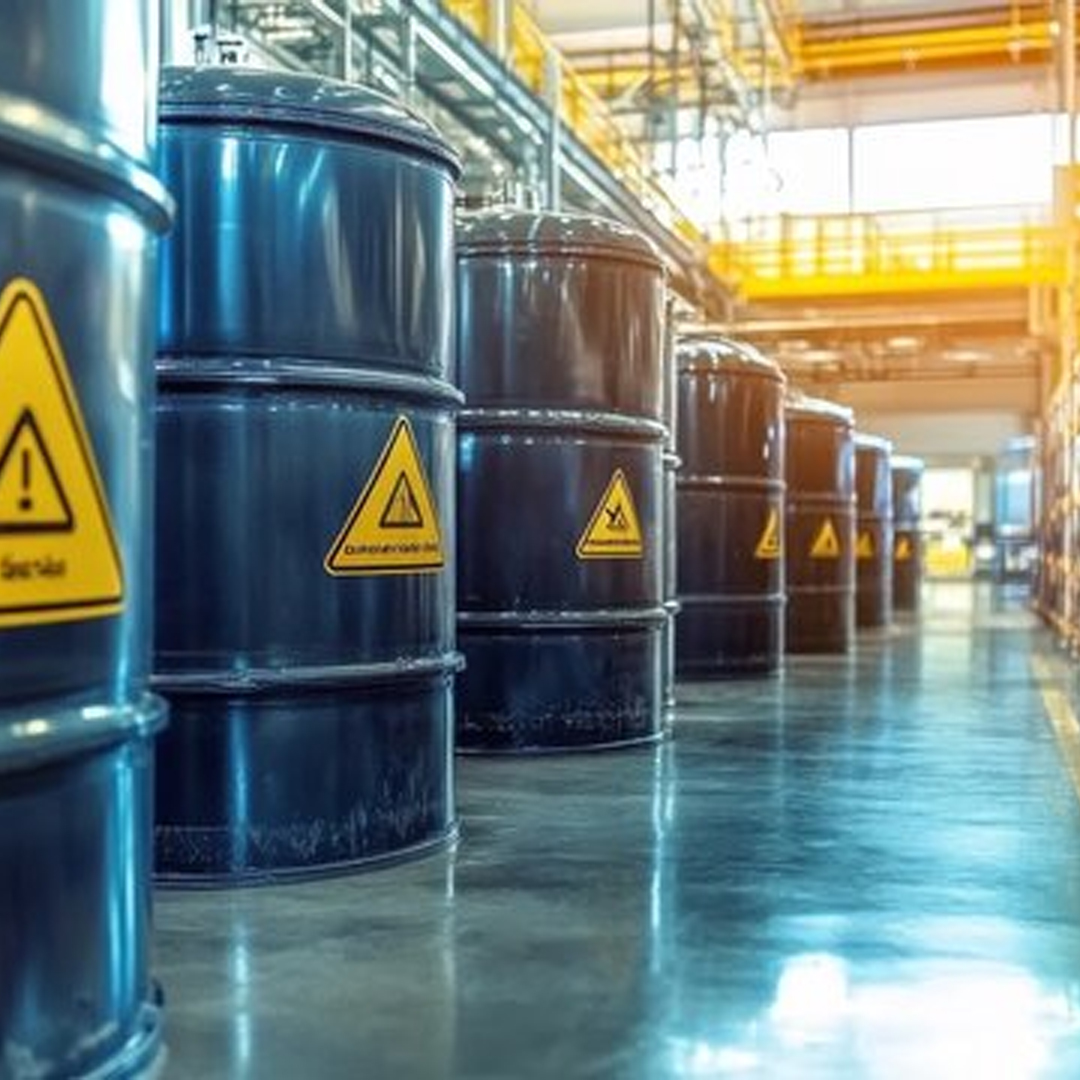
The transportation and handling of Dangerous Goods (DGR) require strict compliance with international regulations to ensure safety and prevent accidents. Dangerous goods include substances or materials that pose risks to health, safety, property, or the environment due to their chemical or physical properties. Proper handling is crucial in industries such as aviation, shipping, logistics, and manufacturing.
This article covers:
- – Definition and classification of dangerous goods
- – Key regulations and standards
- – Safe handling and storage practices
- – Packaging and labeling requirements
- – Emergency response procedures
Definition and Classification of Dangerous Goods
Dangerous goods are categorized based on their hazardous properties. The **United Nations (UN)** classifies them into 9 classes :
Class Type of Hazard Examples
- 1 Explosives Fireworks, dynamite
- 2 Gases Propane, oxygen
- 3 Flammable Liquids Gasoline, alcohol
- 4 Flammable Solids Matches, sodium
- 5 Oxidizing Substances Hydrogen peroxide
- 6 Toxic & Infectious Substances Pesticides, medical waste
- 7 Radioactive Materials Uranium, medical isotopes
- 8 Corrosives Battery acid, sulfuric acid
- 9 Miscellaneous Dangerous Goods Asbestos, dry ice
Each class has subcategories for more precise risk identification.
Key Regulations and Standards Several international and national regulations govern DGR handling:
- IATA DGR (International Air Transport Association)** – Standards for air transport.
- IMDG Code (International Maritime Dangerous Goods Code)** – For sea shipments.
- ADR (European Agreement on Road Transport)** – For road transport in Europe.
- 49 CFR (U.S. Code of Federal Regulations)** – U.S. standards for hazardous materials.
- Compliance ensures legal safety and minimizes risks during transit.
Safe Handling and Storage Practices
- Handling Procedures
- Training : Personnel must undergo DGR certification to handle hazardous materials.
- Persona : Protective Equipment (PPE) Gloves, goggles, and respirators should be used.
- Segregation : Incompatible materials (e.g., acids and flammables) must be stored separately.
Storage Guidelines
- – Store in well-ventilated, fire-resistant areas
- – Use secondary containment (e.g., spill trays) for liquids.
- – Keep emergency equipment (fire extinguishers, eyewash stations) accessible.
Packaging and Labeling Requirements
Proper packaging prevents leaks and reactions:
- UN-certified packaging must be used.
- Labels & Markings :
- Hazard class labels (e.g., flammable, corrosive).
- Proper shipping name (e.g., “UN 1203, Gasoline”).
- Handling instructions (e.g., “This Side Up”).
Emergency Response Procedures
In case of spills, leaks, or fires:
- Evacuate the area if necessary.
- Contain the spill using absorbent materials.
- Notify emergency services and follow Material Safety Data Sheets (MSDS)
- Decontaminate affected areas properly.
Handling dangerous goods demands strict adherence to safety protocols. Proper training, packaging, labeling, and emergency preparedness are essential to prevent accidents and ensure compliance with global regulations. Companies must invest in safety measures and employee training to mitigate risks associated with DGR transportation and storage.